Why Get Rid of the Stump
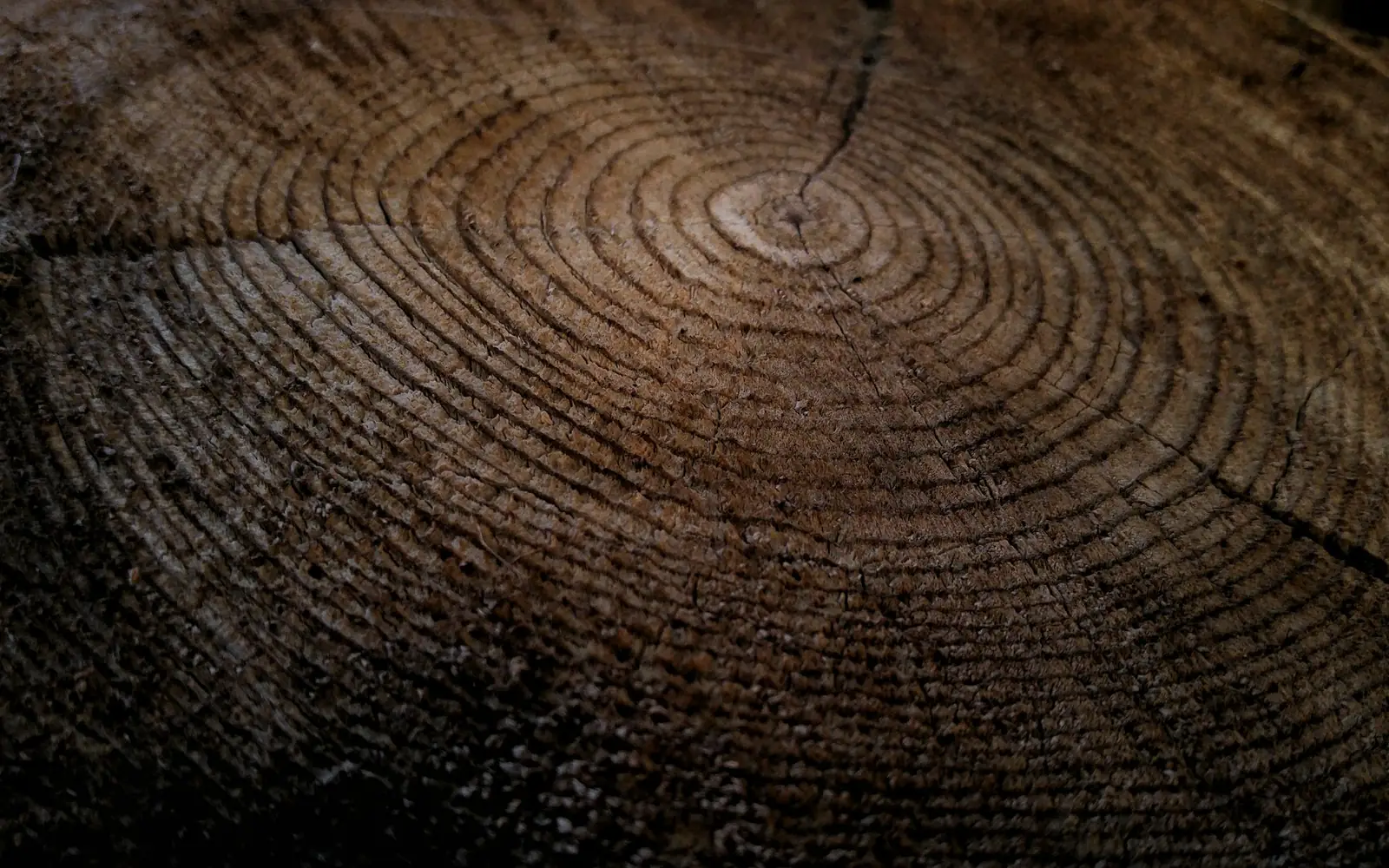
A stump left behind after a removal is more than an eyesore. It catches mower blades, trips kids and guests, and slowly rots in a way that attracts termites, carpenter ants and fungus. Some species, including maples, sweetgums and tulip poplars, keep pushing up sprouts from the roots for years.
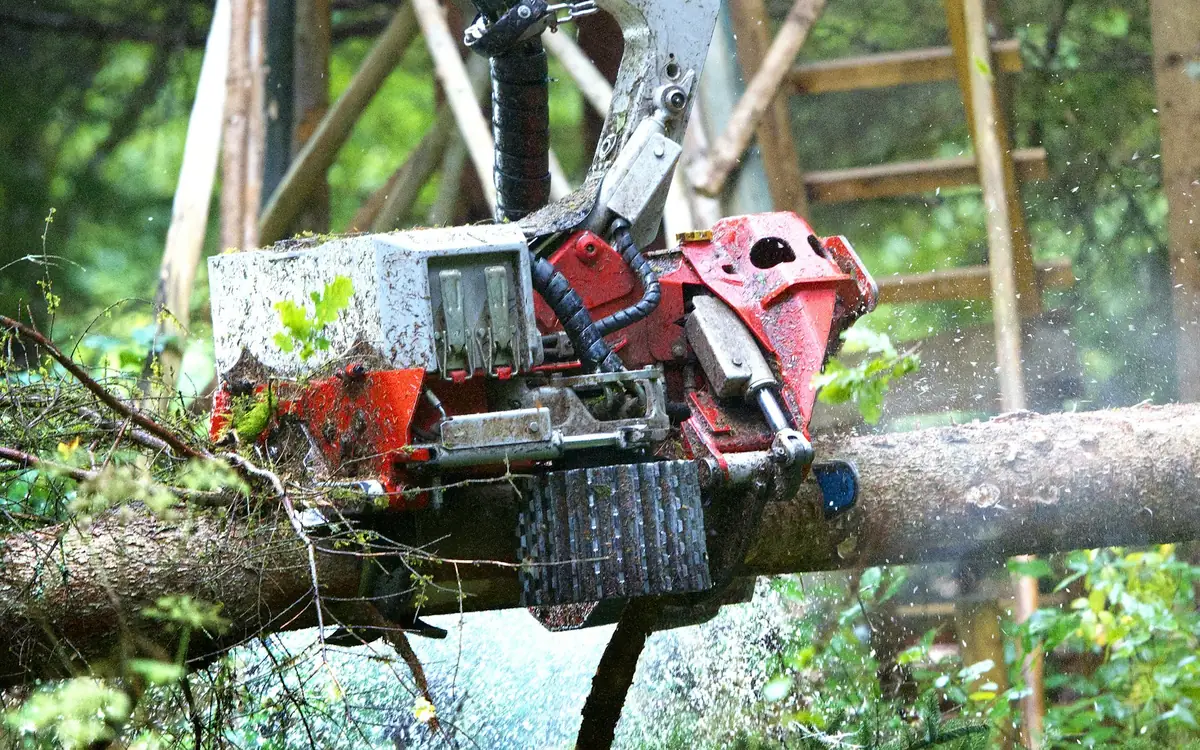
Grinding is the fastest and most common way to deal with it. A stump grinder uses a spinning cutting wheel with carbide teeth to chew the stump and the top of the main roots into chips, usually several inches below the soil line. The result is a level patch of ground you can actually use.
What the Job Looks Like
Small and medium stumps often take well under an hour. Big oak and poplar stumps, which can be three feet across or more in older Knoxville neighborhoods, take longer and may need a larger machine. Compact grinders can fit through a standard backyard gate, which helps on tight or fenced lots.
Before grinding, the contractor should have underground utilities marked. In Tennessee that means calling 811 a few business days ahead. Irrigation lines, invisible dog fences and buried cable also need to be flagged so the grinder avoids them.
Grinding vs. Full Stump Removal
- Grinding cuts the stump below grade and leaves the deeper roots to break down naturally. It is quicker and less disruptive.
- Full removal digs out the root ball, usually with an excavator. It leaves a large hole and costs more, but may be needed before pouring a slab or footing.
- Most homeowners planning lawn or garden beds only need grinding.
- Ask whether chip cleanup and backfill with topsoil are included in the price.
After the Grind
You will be left with a pile of wood chips and soil. Many people use the chips as mulch elsewhere; others ask the crew to haul them off. Expect the spot to settle a bit as the remaining roots decay, so add topsoil and reseed once it sinks. Call us to get connected with a local stump grinding pro for one stump or a whole yard full.